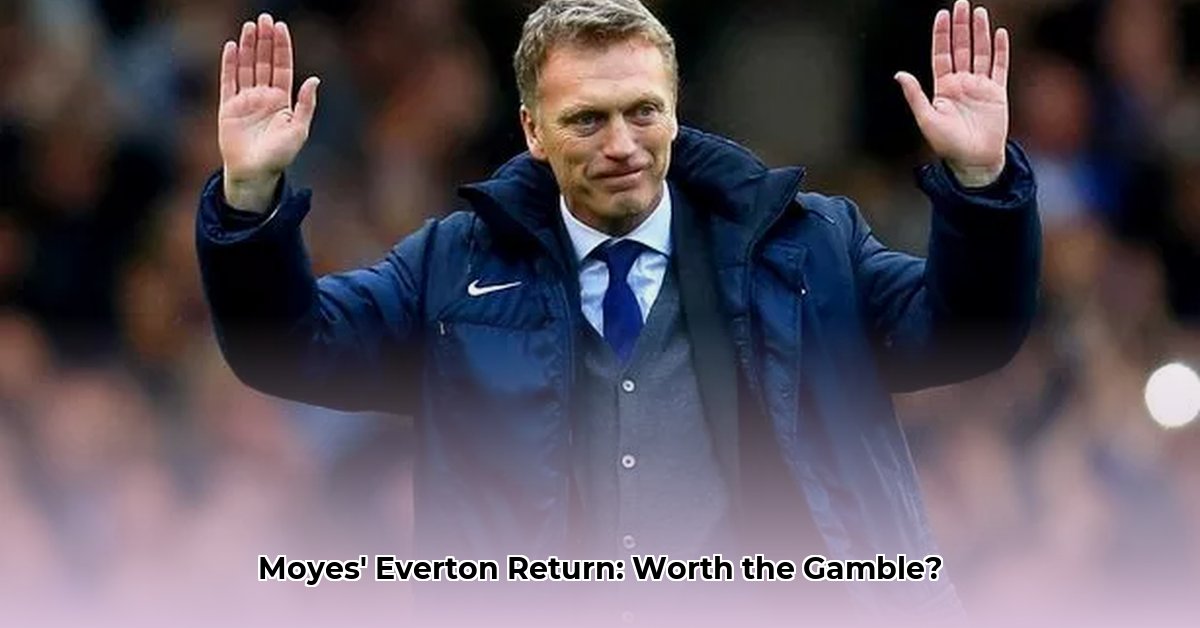
David Moyes' reported net worth of £20.2 million reflects a long and often turbulent career in football management. This substantial figure, however, only tells part of the story. His potential return to Everton is not simply a financial matter; it's a high-stakes gamble with significant ramifications for both Moyes and the club.
The Everton Years and Beyond: A Career in Retrospect
From 2002 to 2013, Moyes was synonymous with Everton, building a legacy of consistent top-half finishes and even a Champions League qualification. This period cemented his reputation and laid the foundation for his considerable wealth. Yet, even during this era of success, questions lingered about his ability to replicate his achievements at a more prestigious club.
The Manchester United chapter, however, proved disastrous, a stark contrast to his Everton success. A subsequent series of managerial roles, including stints at Real Sociedad, Sunderland, and West Ham, presented a mixed bag of results. His Europa Conference League victory with West Ham was a notable highlight, but the inconsistency often associated with his career persists. Therefore, the question remains: does his £20.2 million net worth truly reflect his potential, or does it represent a missed opportunity?
The Everton Conundrum: A Calculated Risk?
Everton, currently battling relegation, finds itself at a crossroads. The familiarity Moyes offers, coupled with his deep understanding of the club's culture, might seem appealing. He could provide a short-term solution, a stabilizing figure in a turbulent season. But is he the right manager for a long-term rebuild? Recent comments suggesting a preference for avoiding relegation battles raise concerns about his commitment to the club's current predicament.
Stakeholder Perspectives: A Multifaceted Analysis
A potential Moyes return necessitates examining the perspectives of key stakeholders:
The Everton Board: A short-term contract with performance-based incentives seems the most logical approach. This provides a clear exit strategy, minimizing potential financial losses.
The Everton Fans: Managing expectations is crucial. Initial enthusiasm could easily sour if a short-term boost doesn't translate into long-term stability.
David Moyes: The appointment presents an opportunity for redemption and a chance to prove his managerial mettle once more. However, failure could further tarnish his legacy.
Sponsors: The impact on brand image and fan engagement must be carefully considered. Will a short-term spike in ticket and merchandise sales outweigh any potential long-term reputational damage?
A Risk-Reward Assessment: Weighing the Odds
The decision facing Everton is complex, requiring a balanced assessment of potential outcomes:
| Factor | Likelihood of Success | Potential Impact of Failure | Risk Mitigation Strategies |
|---|---|---|---|
| Short-term Moyes Appointment | Moderate | Negative publicity, potential relegation | Performance-based contract, clearly defined objectives, and a pre-determined exit strategy |
| Long-term Moyes Appointment | Low | Significant financial losses, reputational harm | Comprehensive long-term plan, succession planning, and clear performance metrics |
Beyond the Net Worth: The Financial Implications
Hiring and firing managers is costly. Everton must consider the return on investment, both on and off the pitch. Moyes' personal wealth is largely irrelevant; it's the potential impact on the club's financial stability that truly matters. Is he a savvy investment, or a potentially costly gamble?
Assessing Moyes' Suitability: A Multi-pronged Approach
Successfully evaluating Moyes' suitability requires a multi-faceted approach:
Tactical Flexibility: Can he adapt his approach to Everton's current squad limitations and the demands of Premier League football?
Squad Assessment: Does he possess a clear plan to maximize the potential of the existing players and strategically address the team's weaknesses?
Motivational Impact: Can he quickly inspire the team and foster a winning mentality, particularly given the club's current struggles?
Risk Tolerance: Does his approach align with Everton's level of risk tolerance given the pressure of avoiding relegation?
Financial Considerations: Does the potential return on investment justify the financial commitment?
Short-Term Goals and Long-Term Vision: Finding the Balance
A successful short-term appointment demands a pragmatic approach. Moyes must balance immediate results with the club's long-term aspirations. His tactical approach, player development strategies, and ability to build a cohesive team will be crucial factors in determining the success of this potential gamble. The decision is far more nuanced than simply examining a numerical figure; it calls for a comprehensive evaluation of risks, rewards, and long-term vision.
